 Premir Plastic Package
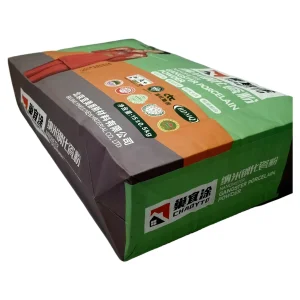
Premium circular packaging designed for high performance, conforming to local Italian recycling and environmental standards.
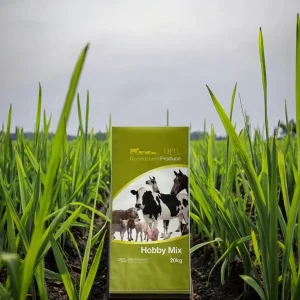
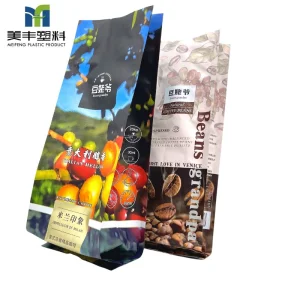
The city of Verona, situated as a logistics nucleus in Northern Italy's Veneto region, is navigating a major paradigm shift in industrial and commercial packaging. Historically driven by robust agricultural exports (including Valpolicella and Bardolino wines, dairy, fresh vegetables) and a dense logistics hub, Verona's enterprises face strict environmental challenges. The Italian market, guided by Legislative Decree 116/2020 and compliance guidelines established by CONAI (Consorzio Nazionale Imballaggi), mandates clear environmental labeling and pushes heavily towards monomaterial recyclability and certified compostable plastics.
In response, businesses are looking for high-performance packaging alternatives that do not sacrifice food preservation or structural strength. This is where high-quality biodegradable plastic packaging and mono-material recyclable plastics become critical assets. For Verona's manufacturers, adopting packaging certified to EU standard EN 13432 (for industrial compostability) or highly recyclable monomaterial structures (like pure PE or PP pouches) is no longer just a CSR initiative; it is a fundamental market access requirement.
Working directly with an integrated manufacturing partner in China provides Verona-based companies with structural advantages. While European converting plants often grapple with raw material bottlenecks and high energy overheads, Chinese manufacturers leverage scaled industrial ecosystems to secure consistent polymer supply chains and advanced co-extrusion technology. This ensures that customized biodegradable materials, like PLA (polylactic acid) and PBAT blends, remain economically viable.
A central challenge in procuring from overseas is meeting European food-safety standards. To bridge this gap, modern Chinese factories align their operations with international frameworks, maintaining certifications under ISO 22000 and packaging material standards like GB 9683-1988. This guarantees that flexible barrier packaging, laminates, and retort pouches are fully compliant with both European regulations and regional CONAI classification systems.
For nearly four decades, Tongcheng Packaging Materials Co., Ltd. has operated as an established manufacturer of high-performance flexible packaging. Guided by international standards, our products are exported to industrial centers throughout Europe, North America, and Southeast Asia. We support your local supply chains by providing packaging solutions that maintain structural integrity, barrier properties, and brand presentation.
Our manufacturing complex covers a footprint of 5,500 square meters, featuring 7,700 square meters of modern production and warehousing space. With a registered capital of RMB 11.98 million Yuan, our operation is backed by 150 skilled staff working across specialized departments. By managing the entire production cycle in-house—including gravure plate making, high-fidelity printing, solventless lamination, precise slitting, bag-making, film-blowing, and quality control—our facility delivers an annual production capacity of 5,000 metric tons of premium packaging material.
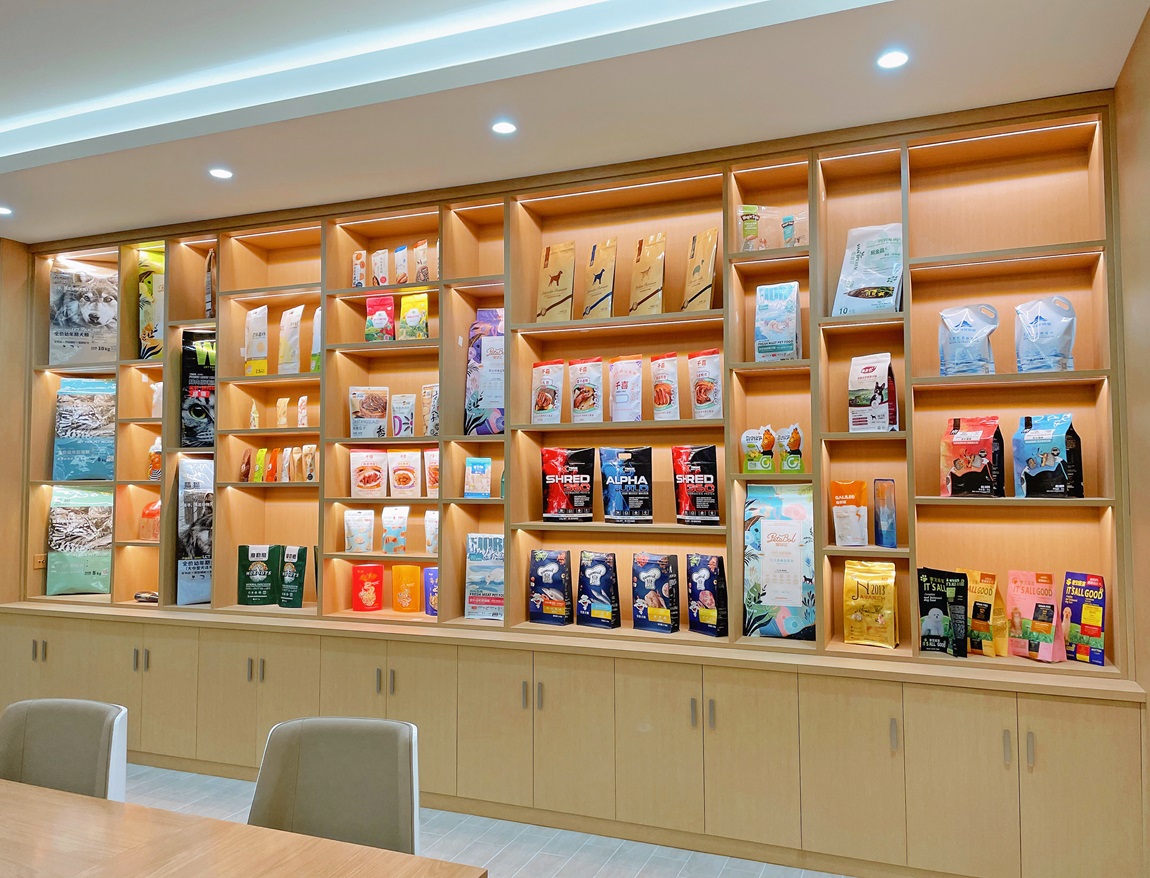
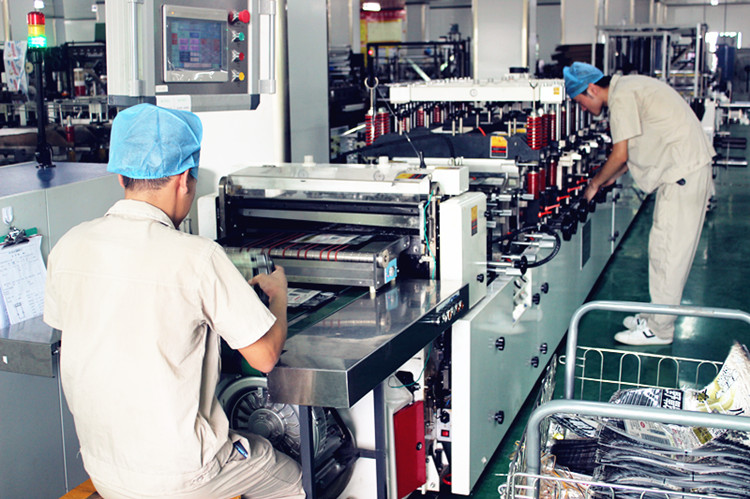
We mitigate risks for European procurement departments by offering comprehensive operational protections. From initial sample testing to logistics routing via Italian ports like Venice and Trieste, our manufacturing services prioritize supply chain reliability.
Our manufacturing and processing steps follow strict ISO 22000 food safety hazard control systems to protect against cross-contamination.
Our raw materials and composite layers are tested to comply with GB 9683-1988 standards for food-grade contact safety.
Equipped with high-precision film-blowing lines and multi-color gravure presses to produce complex, clean graphics and reliable seals.
We engineer specialized EVOH, AL, and Recyclable PE composite laminates to protect sensitive products from moisture and oxygen.
When engineering packaging solutions for Verona's industrial sectors, procurement managers must evaluate two main paths for ecological compliance: industrial compostability (EN 13432) and circular polymer recycling (pure monomaterial PE/PP). Understanding the differences between these options is essential for choosing the right packaging format.
For applications where packaging is likely to be contaminated with organic food waste—such as produce bags, quick-service food wraps, or agricultural films—compostable polymers are an ideal choice. These structures are made from blends of PLA (polylactic acid), which provides stiffness and transparency, and PBAT (polybutylene adipate terephthalate), which adds elasticity and seal strength. Under industrial composting conditions (temperatures of 58°C and high humidity), these materials break down into water, CO2, and organic biomass within 180 days, leaving no toxic microplastics behind.
For shelf-stable foods, animal feed, and chemical fertilizers requiring high moisture and oxygen barriers, compostable films often fall short. Historically, multi-material laminates (like PET/AL/PE) were used, but these are difficult to recycle. Today, our engineering team focuses on monomaterial PE/PE and PP/PP laminates. By laminating MDO-PE (Machine Direction Oriented Polyethylene) with low-density sealing layers, we achieve high mechanical strength, puncture resistance, and print clarity while remaining fully compatible with Italy’s Class A plastic recycling streams.
| Packaging Property | Monomaterial Recyclable PE | Compostable Blends (PLA/PBAT) |
|---|---|---|
| Gas & Moisture Barrier | Excellent (Can be co-extruded with EVOH) | Moderate (Shorter shelf-life limit) |
| Italian End-of-Life Path | CONAI Yellow Bin (Plastic Recycling) | Organic Waste Bin (Industrial Composting) |
| Tensile & Tear Strength | High (Ideal for heavy bags up to 25kg) | Moderate to High (Requires thicker gauges) |
| Custom Print Options | High-resolution gravure printing | Eco-friendly soy/water-based inks |
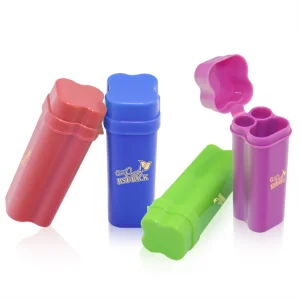
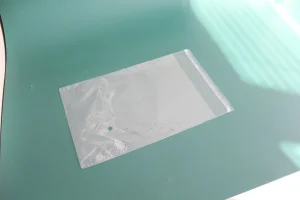
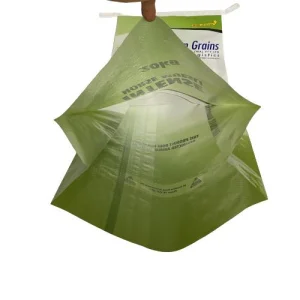
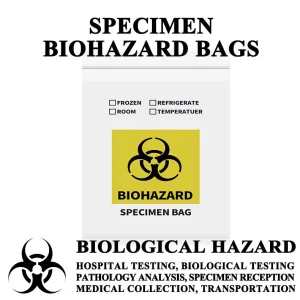
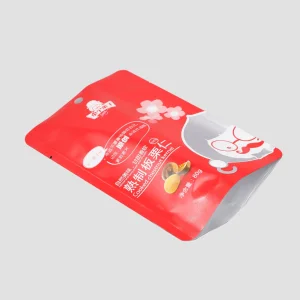
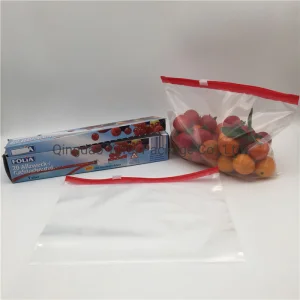
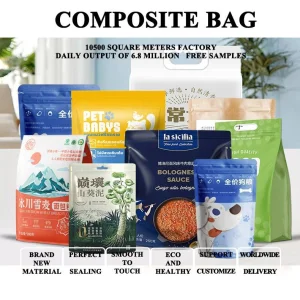
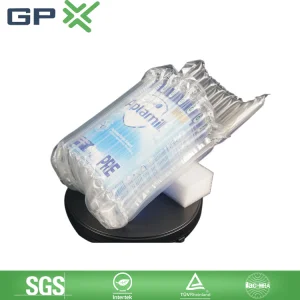
Explore our complete range of flexible packaging, medical-grade bags, and protective shipping solutions, all customizable to your brand's specifications.
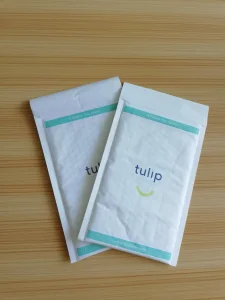
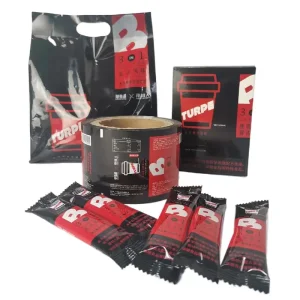

Everything you need to know about regulatory compliance, material testing, shipping logistics, and custom manufacturing from our factory.