Engineered with state-of-the-art materials and structural permeability, designed to maintain product integrity across dynamic global supply chains.
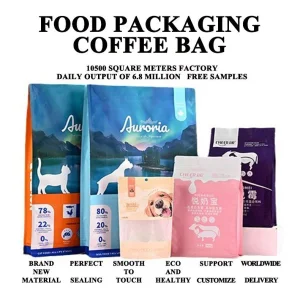
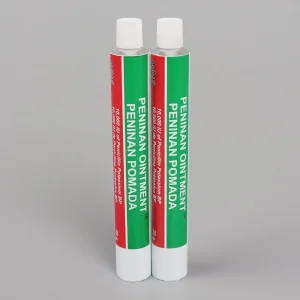
Understanding Gas Transmission Rates (GTR), Relative Humidity Balancing, and the Mechanical Preservation of Perishable Assets.
Breathable plastic packaging plays a crucial role in modern commercial preservation. Unlike standard hermetically sealed plastic films, which restrict gas and moisture exchange completely, breathable plastic bags allow controlled ambient circulation. This exchange is essential for living agricultural produce, hot food items, specific chemical powders, and sterilizable medical devices.
By utilizing advanced co-extrusion and laser-microperforation technologies, suppliers can calibrate the precise Oxygen Transmission Rate (OTR), Carbon Dioxide Transmission Rate (CO2TR), and Moisture Vapor Transmission Rate (MVTR) of a package. This precise calibration prevents anaerobic respiration in fresh foods, eliminates condensation build-up, and protects dry bulk materials from moisture damage.
Precise oxygen flow prevents anaerobic spoilage and slows down cellular decay in organic matter, extending fresh produce shelf life by up to 150%.
Hydrophobic surface properties combined with calculated micro-venting prevent water droplets from forming inside the bag, stopping mold growth.
Facilitates the slow release of natural ethylene and carbon dioxide, preventing rapid ripening and degradation of sensitive organic compounds.
A heritage of engineering excellence in global standard flexible packaging since 1985.
Since 1985, Tongcheng Packaging Materials Co., Ltd. is a senior professional manufacturer in supplying flexible packaging by international standards. Our products are exported to countries in Europe, America, and Southeast Asia. The company covers a total area of 5,500 square meters and has 7,700 square meters for building. The company's registered capital is RMB 11.98 million Yuan. There are totally 150 lovely employees working together. Equipped with gravure plate making, printing, lamination, slitting, bag-making, film-blowing, and testing areas, our annual production capacity has reached 5,000 tons.
We follow quality control systems of ISO22000 and GB 9683-1988 strictly to ensure premium manufacturing quality. Based on this commitment, our products are exported to clients all over the world. All these products are qualified after being tested by authentic systems.
Every client benefits from our comprehensive transactional protection ecosystem:
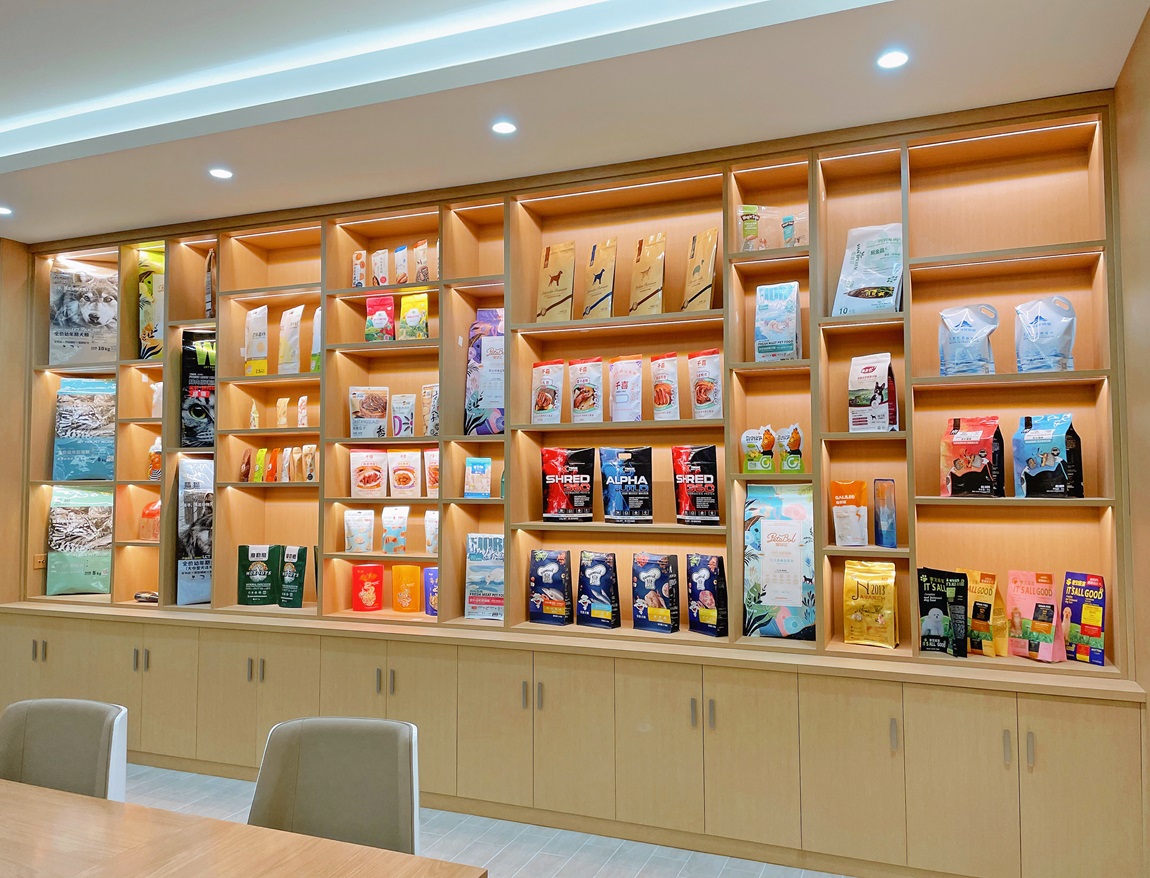
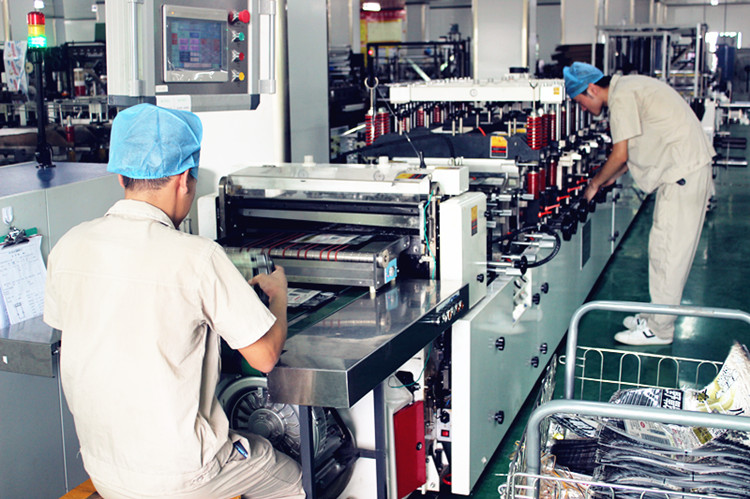
Why sourcing breathable plastic bags from China offers unmatched cost-efficiency, material diversity, and engineering precision.
Sourcing breathable plastic packaging from Chinese manufacturers provides significant advantages to global enterprises. The cluster-based structure of China's polymer processing industries enables rapid iteration from raw materials to processed, custom-designed breathable products. This ecosystem ensures:
Direct partnerships with domestic petrochemical and starch-based biopolymer suppliers guarantee early access to innovative resins like PLA, PBAT, and high-clarity PP.
Our facilities house imported high-frequency laser perforation equipment. This technology allows micro-perforation spacing down to 50-micron diameters without compromising structural tensile integrity.
Combining high-speed gravure printing with flexible short-run digital options enables Chinese factories to deliver competitive pricing for both large industrial runs and custom brand rollouts.
Furthermore, our geographical proximity to major shipping terminals allows us to arrange customs clearance, ocean shipping, and door-to-door delivery efficiently. This infrastructure minimizes logistics costs for global partners and simplifies container management.
Critical checkpoints for enterprise procurement managers selecting supply partners for food, industrial, and pharmaceutical sectors.
Industrial procurement of packaging materials requires rigorous validation. Enterprise buyers prioritize compliance, traceability, and batch-to-batch consistency. Our factory addresses these requirements through specialized technical procedures:
Every batch of plastic resin used in our breathable bag production is documented from its petrochemical origin. For compostable variants (e.g., PLA/PBAT starch blends), we secure authentic certification to ensure they meet biodegradation timelines during commercial processing.
Procurement teams require verifiable proof of physical performance. We provide comprehensive laboratory certificates for every shipment, measuring:
Tested in accordance with ASTM standards, ensuring industrial 50kg bags survive transit and mechanical dropping without splitting.
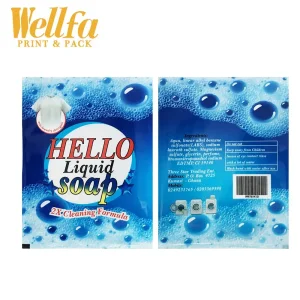
Verifies seal integrity, especially important for liquid-containing soap pouches or high-fill industrial product lines.
Direct testing of oxygen and water vapor transmission rates under controlled temperatures and relative humidity (RH).
Ensuring food contact, environmental, and pharmacological safety regulations across key global markets.
Navigating international regulatory frameworks is a primary challenge for brand owners. Our breathable plastic packaging products comply with key regulatory guidelines:
All food-grade materials, including our reclosable Mylar bags, comply with FDA 21 CFR regulations for food contact materials. This compliance ensures that pigments, plastic resins, and slip agents will not migrate into food under high or freezing temperatures.
Our PLA/PBAT starch biodegradable bread packaging meets EU 10/2011 food-contact criteria and is certified to EN 13432 compostability standards. This compliance allows European distributors to manage packaging waste in accordance with regional plastic reduction laws.
We maintain certification under GB 9683-1988 (National Food Packaging Safety Standard) and ISO22000 (Food Safety Management Systems). These standards ensure our manufacturing facility maintains dust-free cleanrooms, batch tracing, and regular chemical testing.
How industries leverage micro-vented and breathable polymers to optimize commercial supply chains.
Tropical fruit exporters in Southeast Asia use micro-perforated PE bags to balance respiration and humidity. This prevents moisture buildup inside the bag, which can lead to mold, and stops premature fruit ripening during shipping.
European bakery chains require packaging that preserves the crust of hot, fresh-baked bread. Our PLA/PBAT corn starch biodegradable bags release steam while retaining enough humidity to keep the bread fresh, preventing it from drying out.
Our heavy-duty 50kg woven PP bags feature fine structural venting. During packaging, this venting allows trapped air to escape quickly, preventing ballooning. The venting is small enough to contain fine powders, preventing leaks while maintaining bag stability.
The transition toward circular materials, functional nanotechnology, and carbon-footprint reduction.
The global flexible packaging market is undergoing significant changes driven by sustainability and materials science. In the breathable packaging sector, three main trends are shaping development:
Traditional high-barrier breathable films use laminated layers of different plastics (like PET/PE or PET/AL/PE), which can be difficult to recycle. Modern packaging trends are moving toward mono-material structures, such as PE/PE laminates. These structures maintain barrier properties and support breathable micro-perforation, but can be recycled within standard plastic recycling streams.
As municipal composting infrastructure expands worldwide, the demand for PLA (polylactic acid), PBAT (polybutylene adipate terephthalate), and thermoplastic starch (TPS) is increasing. These materials naturally breathe better than conventional polyethylene, making them suitable for fast-consuming produce and bakery items.
Active packaging materials are now incorporating natural antimicrobial agents (like rosemary extract or essential oils) directly into the plastic blend. When paired with micro-perforations, these agents slow bacterial growth, extending the shelf life of fresh products and reducing food waste.
Detailed technical answers regarding the sourcing, design, and performance of breathable flexible packaging.
Explore our complete manufacturing capabilities, spanning biodegradable food wrappers, laminated roll stock, and specialized barrier systems.
 Premir Plastic Package