Top 10 Mistakes to Avoid When Using Plastic Packaging

Time:2026-10-04 Author:Isabella
0%

Choosing plastic packaging is not simply a question of price, appearance, or convenience. It is a product protection decision with environmental and operational consequences. This introduction to “Top 10 Mistakes to Avoid When Using Plastic Packaging” examines what mistakes to avoid when using plastic packages, from material selection to final disposal.

Packaging sustainability expert Dr. Susan E. M. Selke offers a practical principle: “Good packaging protects the product while minimizing unnecessary material.” That balance is easy to describe. It is harder to achieve. A thin film may reduce plastic use, yet fail beside a sharp product or during transport. A heavy container may prevent damage, but create avoidable waste. Small details matter. Heat, moisture, oxygen, light, sealing pressure, and warehouse handling can all change packaging performance. The guide will examine common failures, including choosing incompatible plastics, relying on unclear recycling claims, using excessive layers, and skipping transport tests. It will also consider contamination, poor labeling, weak closures, and packaging that cannot be separated or recovered efficiently. Some decisions look sustainable on paper. They may perform poorly in real conditions. That deserves honest reflection. A package should be tested with the actual product, equipment, climate, and distribution route. Supplier certificates are useful, but they are not complete proof. Reliable decisions require specifications, trial runs, measurable results, and review after launch. The goal is not to eliminate plastic blindly. It is to use the right material, in the right amount, for the right purpose.
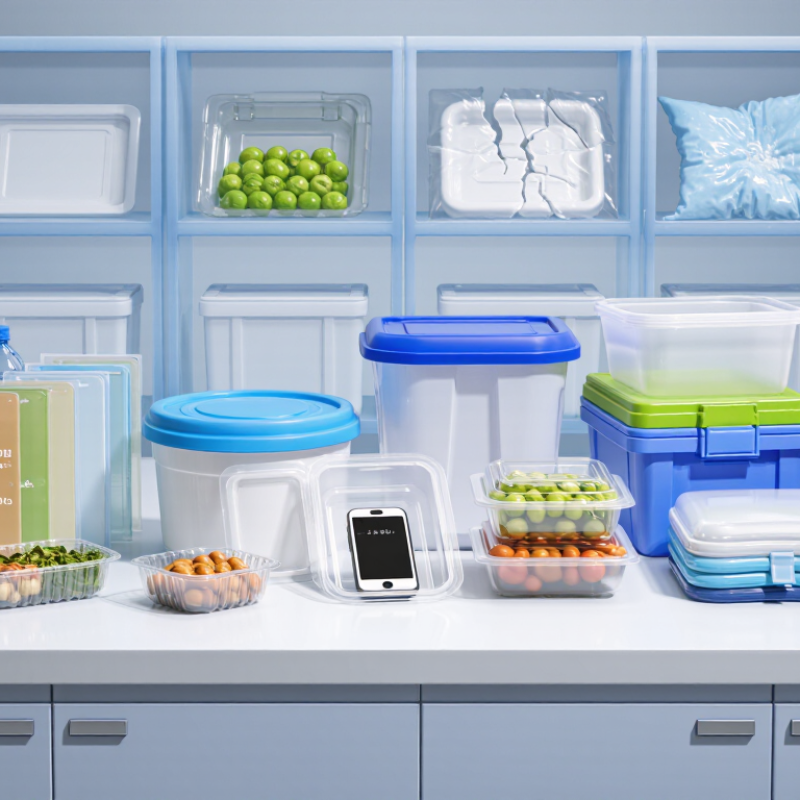
Top 10 Mistakes to Avoid When Using Plastic Packaging

Misjudging Plastic Impacts: UNEP Reports Over 430 Million Tonnes Produced Yearly

Top 10 Mistakes to Avoid When Using Plastic Packaging

Misjudging plastic’s impact is the first serious mistake. UNEP reports that more than 430 million tonnes of plastic are produced worldwide each year. About two-thirds quickly becomes waste, often after one brief use. A thin wrapper may look harmless, but thousands of similar wrappers can fill a collection bin within hours. The material is light. Its footprint is not.

Other mistakes include choosing oversized packaging, adding unnecessary layers, and assuming every plastic item is recyclable. Mixing food residue with clean containers can reduce recovery quality. Dark colors, glued labels, and complex composites may also create sorting problems. “Recyclable” does not always mean locally recyclable. Check the actual collection rules. Do not guess.

Packaging teams should measure material weight, reuse potential, transport volume, and end-of-life options before selecting a format. A practical review can compare a 20-gram container with a lighter design, while checking leakage, shelf protection, and product safety. Reducing plastic too aggressively can cause damage and waste, so the answer is not always “use less.” That is where judgment matters. I have seen simple packaging audits miss real user behavior, especially when bins are confusing or inconvenient. Clear disposal instructions help, but they cannot repair poor design. Suppliers should provide composition data, recycled-content evidence, and performance testing. Claims need proof. Small details matter.

Choosing Non-Recyclable Designs: OECD Estimates Global Plastic Recycling at 9%

Plastic packaging often fails before it reaches a recycling facility. A glossy pouch may contain bonded layers of film, foil, and adhesive. These materials protect food well, but machines struggle to separate them. The OECD estimates that only about 9% of global plastic waste is recycled. The rest is burned, buried, lost, or mismanaged. That figure should influence every packaging decision.

One common mistake is choosing non-recyclable packaging because it looks premium or feels convenient. A package may be technically recyclable yet rarely accepted locally. Check collection rules before selecting resin types, colors, labels, and closures. Clear, single-material containers usually create fewer sorting problems. Avoid dark pigments when optical sorters cannot identify them. Keep labels small and adhesives removable. Small details matter.

Practical packaging reviews should ask what happens after disposal, not only during production. Test the package with local recyclers, fill it with the actual product, and inspect damage after transport. Lightweighting can reduce material use, but fragile packs may increase waste through leakage. That assumption can be wrong. Recycling claims also need evidence, including material composition, facility acceptance, and realistic recovery rates. Better packaging is not merely recyclable in theory. It must be collected, sorted, and processed under ordinary conditions.

Ignoring Food-Contact Safety: Follow FDA and EU Compliance Requirements

Top 10 Mistakes to Avoid When Using Plastic Packaging

Ignoring food-contact safety can turn a simple packaging decision into a costly recall. Plastic must be suitable for its intended food, temperature, and contact time. A pouch used for frozen vegetables may not suit hot soup. That difference matters.

In the United States, check applicable FDA requirements, including relevant sections of 21 CFR and specific food-contact authorizations. In the European Union, review Regulation (EC) No 1935/2004, plastic-specific Regulation (EU) No 10/2011, and good manufacturing practice rules. These frameworks address composition, migration, traceability, and consumer protection. FDA and EU acceptance are not interchangeable. One market’s approval does not automatically cover another.

Ask suppliers for a current Declaration of Compliance and supporting migration-test reports. Examine test conditions closely. They should reflect the actual food type, storage period, temperature, and repeated-use conditions. A document with no material grade or testing scope is a warning sign. Keep batch records, specifications, and change notifications together. Small formulation changes can affect compliance.

Do not rely on appearance alone. Clear, odorless plastic may still release unwanted substances. Recycled content requires additional review, especially for direct food contact. I have seen teams approve packaging from a familiar specification without checking the final ink, adhesive, or sealant. That shortcut is easy to repeat. It is also easy to regret. Recheck compliance when suppliers, recipes, production temperatures, or packaging dimensions change.

Food-contact packaging compliance requires checking the applicable legal framework, authorized substances, migration limits, good manufacturing practices, and supporting documentation. The dates below identify major regulatory reference points; they are not safety scores or a substitute for a current compliance assessment.

Overlooking Product Protection: Balance Lightweighting With Waste Prevention

Top 10 Mistakes to Avoid When Using Plastic Packaging

Overlooking Product Protection: Balance Lightweighting With Waste Prevention

Lightweighting is valuable, but thinner is not automatically better. Packaging still has one essential job: protecting the product until use. That job is often forgotten during cost and material reviews. According to the OECD’s Global Plastics Outlook (2022), packaging creates about 40% of global plastic waste. Reducing grams without testing puncture, compression, moisture, and seal performance can shift waste elsewhere. Sometimes, the lighter pack fails.

For food applications, protection also prevents avoidable product loss. UNEP’s Food Waste Index Report 2024 estimated that 1.05 billion tonnes of food were wasted in 2022. A damaged package can turn a small material saving into a much larger environmental loss. Use drop tests, shelf-life trials, transport simulations, and realistic handling observations before removing layers. Measure failure rates. Do not rely on lab-perfect samples. A useful admission: laboratory confidence can hide rough warehouse handling.

Design decisions should compare total impact, not plastic weight alone. Track product damage, returns, leakage, shelf life, and end-of-use recovery. UNEP’s Turning off the Tap report (2023) identifies reuse, recycling, and redesign as major solutions. It estimates these measures could reduce plastic pollution by 80% by 2040. Those gains require practical systems, not attractive specifications. Sometimes more protection is the less wasteful choice.

Neglecting End-of-Life Planning: 95% of Packaging Material Value Is Lost (EMF)

Neglecting end-of-life planning is one of the costliest packaging mistakes. The Ellen MacArthur Foundation estimates that 95% of plastic packaging material value is lost after one use. This represents an annual economic loss of approximately 80–120 billion dollars. A package may look inexpensive on the shelf. Its hidden waste costs are much higher.

I have seen recycling plans fail because packaging was designed without local collection systems in mind. Dark pigments, bonded layers, small labels, and mixed materials can make sorting difficult. The OECD’s Global Plastics Outlook reports that only 9% of plastic waste was recycled globally in 2019. Most packaging was landfilled, burned, or leaked into the environment. That number should change design decisions, not merely marketing language.

End-of-life planning should begin before production. Check whether local facilities accept the chosen polymer. Test closures, adhesives, inks, and sleeves together. Specify recycled content only when reliable supply exists. Keep components separable. It sounds simple. It is not always simple. Designers sometimes optimize appearance first, then discover that recovery is impossible. A practical review with waste operators can expose this mistake early. Packaging teams should also measure recovery rates, not just material weight, because a lightweight package can still create a heavy waste burden.

FAQS

Why must plastic packaging match the food and storage conditions?

Different foods and temperatures can affect plastic safety. Packaging for frozen vegetables may not suit hot soup. Contact time matters too.

Are food-contact rules the same in every market?

No. United States and European requirements differ. Compliance in one market does not automatically satisfy another market.

What documents should packaging suppliers provide?

Request a current Declaration of Compliance and migration-test reports. Check the material grade, food type, temperature, and testing period. Missing details are concerning.

What should migration tests reflect?

Tests should match real use conditions. Include the actual food, storage duration, temperature, and repeated-use pattern. Laboratory conditions must not be vague.

Can clear and odorless plastic be considered safe?

Not automatically. Appearance and smell cannot prove food-contact safety. Unwanted substances may still migrate from the material.

What packaging changes require a compliance review?

Recheck compliance after changes to suppliers, recipes, temperatures, dimensions, inks, adhesives, or sealants. Small formulation changes can matter. We sometimes overlook them.

Why should packaging design include end-of-life planning?

A package may be cheap on the shelf but costly after disposal. About 95% of packaging material value can be lost after one use. Plan recovery early.

Which design features can make recycling difficult?

Dark pigments, bonded layers, small labels, and mixed materials can confuse sorting systems. Closures and sleeves may create additional problems. Simple is safer.

How can companies test whether packaging is recoverable?

Check local collection and sorting facilities before production. Test the complete package, including inks, adhesives, closures, and sleeves. Weight alone is not enough.

What is one common packaging mistake teams should reconsider?

Teams may approve familiar specifications without checking the final package. That shortcut feels efficient. It can create recalls, waste, or failed recovery.

Conclusion

When considering what mistakes to avoid when using plastic packages, businesses should look beyond convenience and low cost. A major mistake is underestimating plastic’s environmental impact, especially as global production exceeds 430 million tonnes each year. Choosing complex or non-recyclable designs is another problem, since only a small share of plastic is recycled worldwide. Packaging should also meet food-contact safety requirements, with suitable testing and compliance procedures in place before use.

Other common mistakes include reducing material too aggressively and weakening protection, which can cause product damage and create more waste. Effective packaging must balance lightweighting with durability, hygiene, and performance. Finally, companies should plan for what happens after use by selecting materials, formats, and collection methods that support recovery. Without end-of-life planning, much of the material’s potential value is lost, making thoughtful design essential for reducing waste and improving packaging sustainability.

Isabella

Isabella

Isabella is a dedicated marketing professional with a sharp focus on driving brand growth and engagement through strategic content creation. With an extensive background in digital marketing, she combines her passion for storytelling with her keen understanding of industry trends to deliver......