7 Tips for Global Buyers to Reduce Plastic Packaging Waste

Time:2026-09-14 Author:Mason
0%

Plastic packaging waste is no longer only a factory problem. It follows products across borders, warehouses, shops, and homes. For global buyers, each purchase order can influence material use, shipping efficiency, and disposal outcomes. A lighter pouch may reduce transport weight, yet it may be impossible to recycle locally. That trade-off matters. The practical question is not simply “How to reduce plastic package waste”. It is how to reduce it without creating new environmental or operational problems.

This guide presents seven practical tips for making packaging decisions more carefully. Buyers can begin by recording material types, package weights, dimensions, and disposal instructions. A simple spreadsheet can reveal unnecessary layers, oversized cartons, and repeated plastic components. Supplier discussions should include technical specifications, recycled-content records, food-contact documentation, and relevant test results. Claims should be checked, not accepted automatically. A recyclable symbol does not guarantee local recycling access. A compostable film may require industrial facilities that customers cannot reach. Small details matter. A five-gram reduction across thousands of units can change shipping volume and material demand. However, lighter packaging must still protect products from moisture, crushing, and contamination. Otherwise, damaged goods may create a larger overall footprint. The recommendations here draw on practical procurement experience, packaging evaluation, and supply-chain risk management. Some solutions will work immediately; others may need testing, redesign, or honest reconsideration. Perfect packaging is unlikely. Better decisions are still possible.
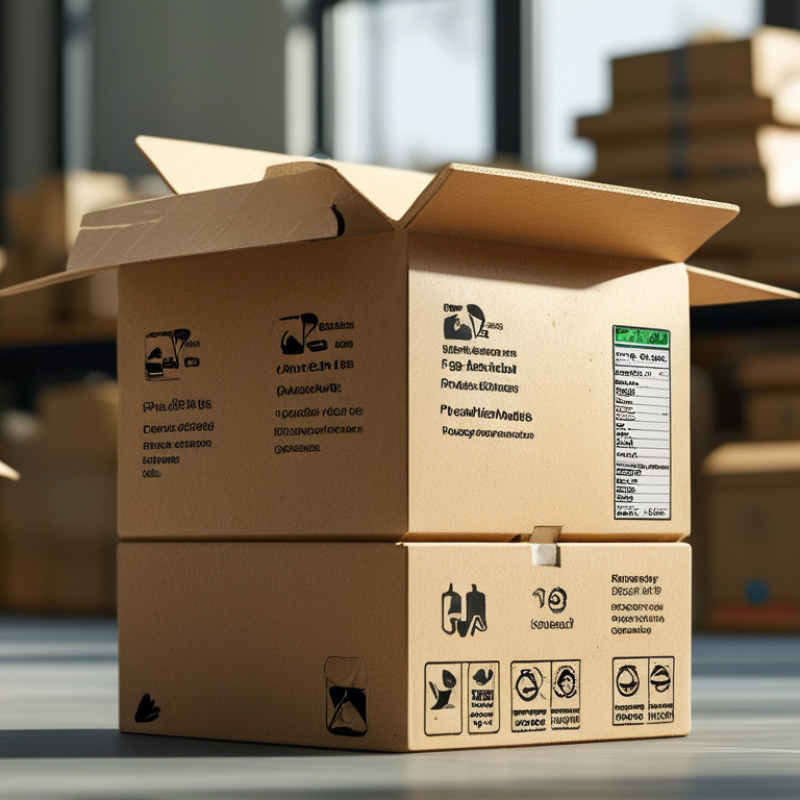
7 Tips for Global Buyers to Reduce Plastic Packaging Waste

Understanding the Sources and Impact of Plastic Packaging Waste

7 Tips for Global Buyers to Reduce Plastic Packaging Waste

Plastic packaging waste often begins before a product reaches the warehouse. Buyers should trace each layer: product wrap, inner bags, cartons, pallets, and shipping film. A thin sachet may seem insignificant, yet millions of units create a persistent waste stream. Production scraps and rejected packaging add more material. Transport choices also matter. Lightweight plastic can reduce fuel use, but mixed materials are harder to recover. The impact includes extraction, manufacturing emissions, litter, and microplastic formation. The balance is not always obvious.

Tip 1–4

Tip 1: Request a packaging map from every supplier.

Tip 2: Ask for weights by component, not only total shipment weight.

Tip 3: Prefer simple, separable materials where protection allows.

Tip 4: Test recycled content under real handling conditions. Cheap replacement can fail quickly. A damaged product creates waste twice. Buyers should review supplier data, sample packs, and disposal access in each destination market.

I once treated a supplier’s “recyclable” claim as sufficient evidence. It was not. Local facilities could not process the layered film.

Tip 5–7

Tip 5: Set reduction targets per unit, then measure quarterly.

Tip 6: Design returnable packaging for repeated transport where routes are stable.

Tip 7: Include packaging performance in supplier reviews. Keep records of material weight, damage rates, and recovery outcomes.

These details support credible decisions better than broad sustainability promises. Some changes will disappoint. A smaller box may increase breakage, while a thicker box may lower total waste. Buyers should test, record, and revise instead of trusting the first solution.

Assessing Packaging Needs Across Products and Markets

Global buyers should assess packaging by product, market, and delivery route rather than choosing one solution worldwide. A glass bottle may need strong cushioning in one region, while a durable carton works elsewhere. Review product fragility, moisture exposure, shelf life, and stacking pressure before selecting materials. Small details matter.

Map the full journey. Measure packaging used at the factory, during ocean freight, in warehouses, and at the customer’s door. Check whether local recycling facilities accept each material, including labels, coatings, and mixed components. Ask suppliers for material weights and recycled content data. Test lighter designs with drop, compression, and vibration trials. Do not rely only on laboratory results. Real routes can be rougher.

Market expectations also differ. Some customers prefer minimal packaging, while others need clear protection and unpacking guidance. Compare return rates, product damage, disposal access, and transport emissions across regions. A reusable package may reduce waste, but only when return systems actually exist. That assumption often fails. Reassess packaging after seasonal demand changes, new shipping lanes, or customer complaints. Keep a simple record of failures, material use, and recovery options. It supports better decisions than attractive claims. Reduce empty space carefully, but never sacrifice necessary product protection or required safety information.

Choosing Reusable, Recyclable, and Minimal Packaging Options

Global buyers can reduce packaging waste by choosing reusable, recyclable, and minimal options. This matters because the OECD reports that only 9% of global plastic waste was recycled in 2019. Packaging decisions shape that outcome. Tip 1: Ask suppliers to remove unnecessary trays, sleeves, and plastic film. Tip 2: Choose one material where possible. Mixed layers are difficult to separate.

Tip 3: Select reusable crates, totes, or pallets for repeated shipments. They need return routes, cleaning plans, and clear ownership. Otherwise, reuse becomes a promise without a system. Tip 4: Prefer widely accepted materials, such as clean cardboard or single-material plastic. Local recycling rules differ. A recyclable symbol alone proves little. Tip 5: Request packaging specifications and recycled-content evidence from suppliers. The UNEP report Turning off the Tap stresses that circular systems require better design, reuse, and recycling infrastructure.

Tip 6: Test lighter packaging before approving large orders. A thinner carton may fail during humid transport. Damaged goods create another waste stream. Tip 7: Measure packaging weight per shipped product, not only total annual waste. The Ellen MacArthur Foundation identifies elimination, reuse, and better recycling as key circular strategies. In practice, buyers should compare protection, recovery, and transport emissions together. Minimal packaging sounds obvious. It is not always better. A reusable option can also create impacts when return distances are long. Reassess the decision with shipment data, supplier records, and local recovery capacity.

7 Tips for Global Buyers to Reduce Plastic Packaging Waste - Choosing Reusable, Recyclable, and Minimal Packaging Options
Tip Recommended Action Preferred Packaging Option Useful Purchasing Target Relevant Data or Standard Implementation Check
1Remove unnecessary layers Audit primary, secondary, and tertiary packaging and eliminate duplicate boxes, inserts, sleeves, and plastic bags that do not protect the product. Minimal packaging with one protective outer layer where product safety allows. Reduce packaging material weight by 10–20% during the first redesign cycle. Material reduction lowers transport volume and avoids waste before recycling is considered. The exact saving depends on product fragility and distribution conditions. Compare the total packaging weight and cubic volume per shipped unit before and after redesign.
2Specify reusable transport packaging Use returnable crates, totes, pallets, or shipping boxes for closed-loop supply routes with predictable reverse logistics. Durable plastic or metal transport containers designed for repeated use. Require a documented service life of at least 20 reuse cycles where operationally feasible. Reuse reduces single-use packaging demand when collection, cleaning, repair, and return transport are properly managed. Track return rate, loss rate, cleaning method, repair rate, and the number of completed cycles per container.
3Choose packaging made from recycled content Set minimum recycled-content requirements for suitable paper, cardboard, metal, and plastic components. Packaging with verified post-consumer recycled content and clear material specifications. Request a declared recycled-content percentage and supporting supplier documentation for each material. Recycled content reduces demand for virgin raw materials; availability and quality vary by country and material type. Verify recycled-content claims through supplier declarations, chain-of-custody records, or independent certification.
4Prefer widely recyclable mono-materials Avoid hard-to-separate laminates, mixed-material pouches, metallized films, and permanently attached components when a single material can perform the same function. Mono-material paperboard, steel, aluminum, glass, or widely collected plastic formats. Target one principal material per package and keep closures, labels, and coatings compatible with the same recycling stream where possible. Recyclability depends on local collection, sorting, and reprocessing facilities; a technically recyclable package may not be recyclable in every market. Check accepted formats with the waste-collection systems in every destination market before approval.
5Use right-sized packaging Match the package dimensions to the product and use efficient nesting or stacking to reduce empty space. Custom-sized cartons, adjustable inserts, and fold-flat secondary packaging. Keep avoidable empty space below 20% where product protection and handling requirements permit. Right-sizing can reduce packaging material, shipping volume, and the number of delivery vehicles required. Measure package-to-product volume ratio, units per pallet, and transport utilization before and after the change.
6Replace avoidable plastic accessories Remove disposable plastic ties, clips, filler, shrink wrap, and individual bags, or replace them with compatible paper-based or reusable alternatives. Paper tape, molded-fiber protection, reusable straps, or no accessory when protection is unnecessary. Set a target of zero avoidable single-use plastic accessories for standard shipments. Paper and molded fiber are generally easier to collect in established paper-recycling systems, but contamination and local rules still matter. List every packaging component by material, weight, and disposal route; remove components without a clear functional purpose.
7Design for local disposal systems Adapt packaging specifications to the collection and recycling infrastructure of each destination instead of relying only on a global material claim. Clearly labeled, separable components supported by local collection systems. Obtain documented disposal guidance for 100% of destination markets before large-scale purchase approval. Compostable packaging usually requires suitable industrial composting facilities and should not be treated as recyclable plastic. Use clear disposal instructions, avoid misleading claims, and review local requirements at least once a year.
Buyer checklist: Evaluate packaging by total material weight, recycled content, reuse potential, recyclability in the destination market, transport efficiency, and end-of-life instructions. Any reduction target should be validated against product protection, food-contact, safety, and applicable local regulations.

Setting Supplier Standards for Sustainable Packaging Practices

Global buyers can reduce plastic packaging waste by setting clear supplier standards before placing orders. A practical standard should define allowed materials, maximum packaging weight, and reuse targets. Request material specifications, recycled-content declarations, and recent test reports. Do not rely on vague claims such as “eco-friendly.”

Tip 1: Measure packaging by product unit. Weight reveals unnecessary layers.

Tip 2: Prefer recyclable or reusable formats that suit local collection systems. A material may be recyclable in theory, but unavailable in the buyer’s market.

Tip 3: Ask suppliers to remove plastic films, oversized inserts, and mixed-material seals where possible.

Our first checklist was too ambitious. It delayed smaller suppliers, so we revised it.

Supplier standards should also include evidence, timelines, and corrective actions.

Tip 4: Require packaging samples before mass production. Inspect seals, cushioning, labels, and outer cartons.

Tip 5: Set a reduction target with a realistic review date, such as 10% less plastic within twelve months. Sudden targets can encourage poor substitutions.

Tip 6: Share packaging data in every purchase review. Track weight, material type, recycled content, and damage rates. Lower waste is not useful if products arrive broken.

Tip 7: Score suppliers on progress, not promises. Offer technical guidance, but record missed commitments. Some suppliers may need more time than expected. That uncertainty deserves honest review.

Tracking Packaging Performance and Improving Waste Reduction Results

Global buyers need more than a lower plastic number. They need reliable packaging performance data. The OECD’s Global Plastics Outlook reports that the world generated 353 million tonnes of plastic waste in 2019, while only 9% was recycled. Packaging remains a major source. Therefore, procurement teams should track material use and waste outcomes together.

Tip 1: Set a baseline by recording packaging weight, material type, shipment volume, and damage rates. Tip 2: Measure grams per delivered product, not only grams per package. Tip 3: Separate consumer packaging from transport packaging. This reveals hidden waste. A reusable crate may reduce film use but increase return emissions if collection is weak.

Our first dashboard was imperfect. Some suppliers reported estimates, not weighed materials. That mistake changed our process. Tip 4: Request measured data with clear units and evidence. Tip 5: Track rejected products, damaged cartons, and customer disposal feedback. The Ellen MacArthur Foundation has noted that packaging design strongly affects whether materials can remain in circulation. A recyclable format can still fail when collection systems are unavailable.

Tip 6: Run small pilots before changing global specifications. Compare protection, cost, recycling access, and customer handling. Tip 7: Review results monthly, then challenge weak assumptions. The UNEP Turning off the Tap report suggests plastic pollution could be greatly reduced through reuse, redesign, and better recycling systems. Yet results differ by market. Local waste infrastructure matters. perfect packaging does not exist. Reliable measurement is the practical starting point.

7 Tips for Global Buyers to Reduce Plastic Packaging Waste

Tracking Packaging Performance and Improving Waste Reduction Results

The chart shows the global fate of plastic waste in 2019. Buyers can use this baseline to track packaging performance, prioritize reduction and reuse, improve recyclability, and reduce landfill or mismanaged waste. The figures cover global plastic waste overall rather than packaging alone.

Source: OECD, Global Plastics Outlook, 2022. OECD data and methodology

FAQS

How can buyers reduce unnecessary packaging?

Ask suppliers to remove extra trays, sleeves, plastic film, and oversized inserts. Less material usually means less waste.

Why is single-material packaging often preferred?

Single-material formats are easier to sort and process. Mixed layers can be difficult to separate.

When does reusable packaging work well?

Reusable crates, totes, and pallets work best with return routes, cleaning plans, and clear ownership.

Can reusable packaging create new environmental impacts?

Yes. Long return distances may increase transport emissions. Measure the full shipment cycle before deciding.

Is a recyclable symbol enough evidence?

No. Local collection systems differ. Ask whether the material is actually accepted in the destination market.

What supplier information should buyers request?

Request material specifications, recycled-content evidence, packaging samples, test reports, and measured packaging weights.

How should buyers set reduction targets?

Use realistic targets, such as reducing plastic by 10% within twelve months. Sudden targets may cause poor substitutions.

What packaging performance data should companies track?

Track packaging weight, material type, shipment volume, recycled content, damage rates, and grams per delivered product.

Why should lighter packaging be tested before large orders?

A thinner carton may fail during humid transport. Damaged goods create another waste stream.

What mistakes should buyers watch for?

Early checklists may delay smaller suppliers. Estimated data may also replace weighing. Review assumptions and improve the process.

Conclusion

Reducing plastic packaging waste requires global buyers to understand where waste is generated and how it affects the environment, supply chains, and operating costs. The first step is to assess packaging needs for different products, shipping conditions, and markets rather than using the same solution everywhere. Buyers can then prioritize reusable containers, recyclable materials, right-sized packaging, and designs that avoid unnecessary layers or mixed materials. Asking “How to reduce plastic package waste” should become part of every packaging decision, from product protection to transportation and end-of-life handling.

Clear supplier standards are also essential. Buyers should request measurable packaging requirements, encourage responsible material selection, and confirm that suppliers can support recycling or reuse systems. Finally, companies should track packaging volume, material types, damage rates, recovery results, and waste reduction progress. Reviewing this data regularly helps identify weaknesses, improve purchasing decisions, and create practical, long-term packaging improvements across international operations.

Mason

Mason

Mason is a seasoned marketing professional with a deep expertise in the company's offerings and a passion for driving brand awareness. With a strong background in digital marketing strategies, he has an innate ability to connect with diverse audiences and effectively communicate product benefits.......