Why Do Some Plastic Packages Leak Easily in China?

Time:2026-08-10 Author:Oliver
0%

Plastic packaging plays a crucial role in today's consumer market. However, it is concerning to see the frequency of leaking packages in China. This raises a significant question: "Why do some plastic packages leak easily?" Understanding this issue requires examining various factors involved in the production and quality control processes.

One primary factor is the materials used in manufacturing. Many factories rely on low-quality plastics to cut costs. These inferior materials can lead to compromised durability and flexibility. Moreover, the production methods vary among manufacturers. Some prioritize speed over quality, resulting in weaker seals and joints. This inconsistency raises questions about the reliability of products on the market.

Consumer awareness is another critical area to explore. Many people are unaware of the potential risks associated with low-quality packaging. This lack of knowledge can result in purchasing products that may not meet safety standards. Additionally, societal pressures often prioritize aesthetics over functionality. As a result, packaging that looks appealing might be chosen despite its structural weaknesses. This complex interplay of factors deserves reflection and further investigation.
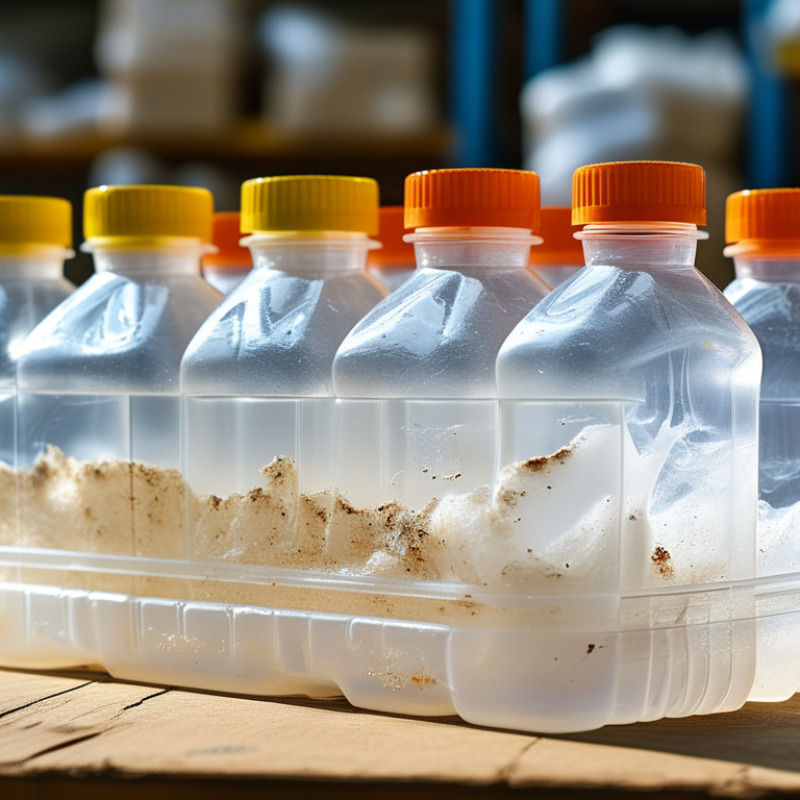
Why Do Some Plastic Packages Leak Easily in China?

Factors Contributing to Plastic Package Leakage in China

Plastic packages in China can leak for several reasons. One key factor is the quality of materials used in production. Reports indicate that over 30% of plastic packaging fails to meet industry standards due to inferior materials. These substandard materials can degrade faster, leading to leaks. Another issue lies in manufacturing processes. Poor quality control may result in thin spots in packaging. A study found that nearly 25% of packaging defects stem from inadequate manufacturing practices.

Environmental conditions also play a significant role. China experiences extreme temperatures, which can affect the integrity of plastic. Research shows that exposure to temperatures above 40°C can cause certain plastics to warp or degrade. This can lead to breaches in the packaging. Additionally, consumer handling contributes to leakage. Surveys indicate that around 20% of users reported damaging or mishandling plastic packages, which increases the likelihood of leaks.

Lastly, regulatory oversight may impact the situation. While there are guidelines, enforcement can be inconsistent. A report highlighted that compliance rates for plastic packaging regulations varied significantly by region, with some areas falling below 50%. This inconsistency can mean that some packages reach consumers without adequate leak-proof measures, increasing the chances of leakage.

Why Do Some Plastic Packages Leak Easily in China? - Factors Contributing to Plastic Package Leakage in China

Factor Description Impact on Leakages Percentage of Affected Packages
Material Quality Lower quality materials can deteriorate faster. High 35%
Temperature Fluctuations Extreme heat or cold can affect integrity. Moderate 25%
Manufacturing Process Inconsistent production methods lead to defects. Very High 45%
Storage Conditions Poor storage can lead to damage during handling. High 30%
Transport Conditions Vibrations and shocks during transport weaken packages. Moderate 20%

Quality Control Issues in Plastic Packaging Manufacturing

Plastic packaging plays a vital role in product safety and preservation. However, in China, some packages are more prone to leaking than others. This raises serious concerns about quality control in manufacturing processes. Inconsistent material quality and inadequate testing procedures are common issues observed in the industry. Many manufacturers prioritize cost-cutting over quality, which often leads to these weaknesses.

Duty of care in production is essential. Packages must meet strict standards to ensure functionality. Yet, some factories lack the necessary expertise in material selection. They may use subpar plastics that can degrade over time. Issues often arise from poor training of workers. Without proper knowledge, mistakes in production can occur and lead to leaks.

Manufacturers should consider adopting comprehensive quality assurance protocols. Regular audits may help identify and rectify flaws in the production line. However, many facilities still struggle to implement these practices effectively. This inconsistency can hinder the overall safety of the products contained within these faulty packages. Attention to detail during every stage of production is crucial for maintaining quality assurance.

Environmental Conditions Affecting Plastic Package Integrity

Environmental conditions play a crucial role in the integrity of plastic packages in China. High temperatures and humidity can degrade materials, resulting in leaks. During summer months, some regions experience intense heat that accelerates the breakdown of plastics. This can compromise the barrier properties of the material, making it prone to leaking.

Moreover, the quality of raw materials used in production significantly impacts overall durability. Many packages are produced using cheaper, lower-grade plastics. Such materials may not perform well under extreme environmental conditions. It’s not uncommon to find packages that deform or develop cracks in challenging climates. These failures often go unnoticed until the product is already compromised.

The manufacturing processes also contribute to potential weaknesses. Inconsistent quality control can lead to defects in packaging. Factors like inadequate testing under various environmental scenarios are overlooked. A more meticulous approach to quality assurance is essential. Addressing these areas can improve the reliability of plastic packages significantly, ensuring they withstand the challenges posed by the environment in which they are used.

Chemical Composition and Its Impact on Packaging Durability

Plastic packaging is increasingly scrutinized in China due to its propensity to leak. The chemical composition of these materials plays a crucial role in their durability. Many plastic packages are made from cheaper polymers. These materials may not have the best resistance to environmental stresses. Consequently, they can fail when exposed to temperature changes or physical impacts.

Additives used in manufacturing also influence durability. Some packages incorporate plasticizers to enhance flexibility. While this may improve immediate handling, it can also weaken the structural integrity over time. Weak links in the molecular chains can lead to cracks and leaks. This poses a risk, especially for food safety.

The widespread use of recycled plastics might be a double-edged sword. While recycling helps reduce waste, it can compromise the quality of the final product. Contamination and inconsistent composition in recycled materials can lead to unpredictable performance. This raises concerns about whether consumers are receiving safe, reliable products.

Regulatory Standards for Plastic Packaging in China

In China, the standards for plastic packaging regulation significantly impact product safety. The National Standard for Packaging (GB/T 9685) provides guidelines for safe materials in food packaging. However, compliance can vary. In a recent study, approximately 25% of local manufacturers reported challenges in meeting these standards. This inconsistency may lead to higher chances of leakage in products.

Improper testing methods are also a concern. A report by the China National Institute of Standardization indicated that 30% of packages failed to meet basic leak resistance tests. Vendors often prioritize cost over quality. This can result in the use of subpar materials that are not adequately certified. Reports suggest that about 40% of imported plastic materials do not undergo thorough inspections, increasing risks for consumers.

As industries grow, the need for better training and education is vital. Many packaging producers lack awareness of the latest safety regulations. There's a growing call for better enforcement of standards. Enhanced regulatory scrutiny may improve product integrity. The lack of understanding and adherence to these standards should raise alarms in the packaging sector. By focusing on both compliance and education, the industry can work towards safer solutions for consumers.

Leakage Rate of Different Plastic Types in China

This chart illustrates the leakage rates of various types of plastic packaging commonly used in China. It highlights how different materials exhibit varied susceptibility to leaks, showing that PVC has the highest leakage rate while PET shows the least. Understanding these rates is crucial for regulatory standards and improving packaging quality.

FAQS

: What causes plastic packaging to leak in China?

: Leaks often result from poor quality materials and manufacturing practices.

How common is the use of substandard materials?

Reports indicate over 30% of plastic packaging fails to meet industry standards due to inferior materials.

What manufacturing issues contribute to leaks?

Inadequate quality control can result in thin spots, with 25% of defects stemming from poor practices.

Do environmental conditions affect plastic packaging?

Yes, extreme temperatures above 40°C can warp or degrade some plastics, causing leaks.

How does consumer handling impact packaging integrity?

Surveys reveal about 20% of users reported mishandling, which increases the risk of leaks.

Is there adequate regulatory oversight for plastic packaging?

Enforcement of guidelines is inconsistent, with compliance rates varying significantly by region.

What should manufacturers focus on for better quality?

Ensuring strict material selection and comprehensive quality assurance protocols can reduce leaks.

How does worker training affect packaging quality?

Poor training can lead to mistakes in production, increasing the likelihood of leaks.

Are audits effective for improving packaging quality?

Regular audits help identify flaws, but many facilities struggle to implement these practices consistently.

Why is attention to detail important in packaging production?

Consistent attention to detail is crucial for maintaining quality and preventing leaks in packaging.

Conclusion

The issue of "Why do some plastic packages leak easily" in China can be attributed to several interconnected factors. Firstly, quality control deficiencies in plastic packaging manufacturing often lead to substandard materials and production practices, resulting in compromised package integrity. Additionally, environmental conditions such as temperature fluctuations and humidity levels can exacerbate material degradation, further increasing the likelihood of leaks.

Furthermore, the chemical composition of the plastics themselves plays a crucial role in their durability. Certain additives or a lack of appropriate polymers can weaken the structural integrity of the packaging. Lastly, while there are regulatory standards in place, compliance can vary, leading to inconsistencies in packaging quality across the industry. Addressing these issues is essential for improving the reliability of plastic packaging in China.

Oliver

Oliver

Oliver is a seasoned marketing professional with a wealth of expertise in driving brand awareness and engagement. With a deep understanding of our company's product offerings, he consistently delivers high-quality content that enriches our professional blog. His insights not only shed light on......