Biodegradable plastic packages are rapidly gaining popularity in today’s eco-conscious market. Consumers are increasingly aware of environmental issues. As a result, brands are innovating to meet these demands. Why are biodegradable plastic packages becoming popular? They offer a sustainable alternative to traditional plastics that pollute our land and oceans.
Various studies showcase the benefits of biodegradable materials. These packages break down naturally over time. This reduces landfill waste and environmental impact. Companies that use these materials often gain a competitive edge. They capture the attention of eco-minded consumers who prioritize sustainability. The connection between buying choices and environmental responsibility is strong.
However, there are challenges to consider. Not all biodegradable options are created equal. Some still require industrial conditions to decompose fully. Consumers need to be aware of proper disposal methods. As brands evolve, they must strive for transparency. Understanding the true environmental impact of their products is essential. Overall, the rise of biodegradable plastic packages reflects a shift toward sustainability. This trend is shaping the future of consumer goods.
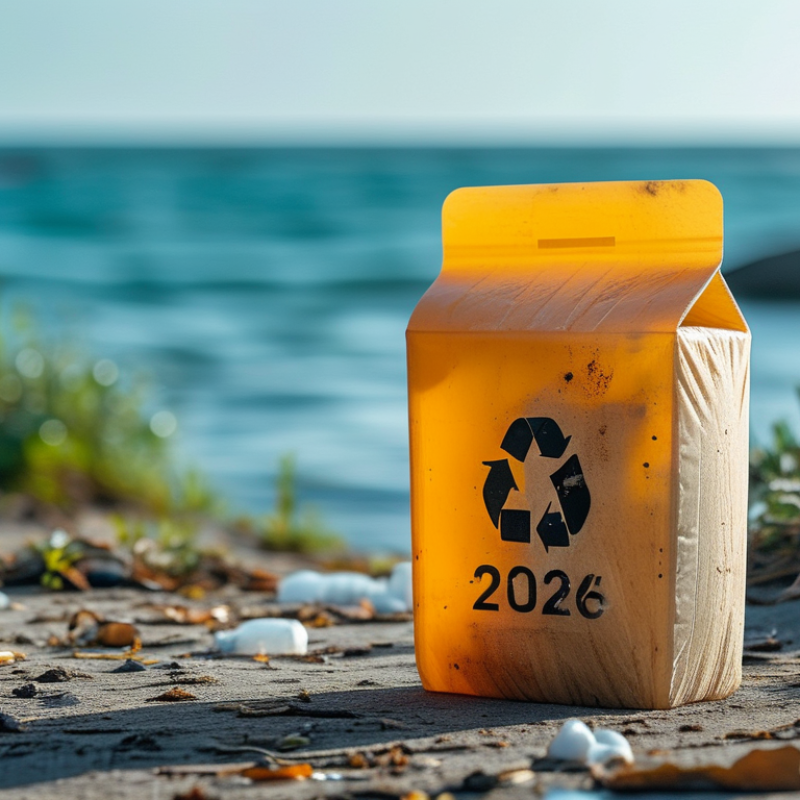
Benefits of Biodegradable Plastic Packages for the Environment
The rise of biodegradable plastic packages has a profound impact on the environment. These materials break down naturally, reducing long-term waste in landfills. Unlike traditional plastics, they do not persist in the ecosystem for centuries. When they decompose, they turn into natural substances, enriching the soil rather than harming it. This ability to reduce pollution is a key reason for their growing popularity.
Biodegradable materials also contribute to lower carbon emissions. The production processes often require less energy compared to regular plastic. This means fewer fossil fuels are burned during manufacturing. Additionally, as these packages break down, they can help mitigate greenhouse gas release, a crucial factor in climate change. Some people still question their effectiveness, noting that proper disposal methods are vital for full benefits.
Moreover, public awareness of plastic pollution is rising. Consumers are increasingly looking for sustainable options. This shift in consumer behavior drives companies to adopt biodegradable solutions. However, the challenge remains in ensuring these products are accessible and properly labeled. Without clear guidance, even the best biodegradable options may end up in landfills, defeating their purpose. Addressing these issues is essential for maximizing the environmental benefits of biodegradable plastic packages.
Consumer Demand and Market Trends for Sustainable Packaging
In recent years, consumer demand for sustainable packaging has grown significantly. Biodegradable plastic packages are at the forefront of this trend. Shoppers are more informed than ever and seek eco-friendly options. Many studies suggest that consumers prefer brands that prioritize sustainability. This shift has impacted the market significantly. Companies are now innovating to create greener packaging solutions.
The appeal of biodegradable materials lies in their promise. These packages break down naturally, minimizing environmental impact. Businesses, large and small, are responding to this urgency. As awareness about plastic pollution increases, many consumers feel an ethical obligation to choose biodegradable products. Yet, there are challenges. Not all biodegradable plastics decompose effectively in natural environments. Consumers often face confusion about what is truly sustainable.
Examining market trends reveals a complex landscape. Many products claim to be "green," but not all meet the standards. Transparency is crucial for gaining consumer trust. It’s vital for businesses to communicate their practices clearly. As the demand for biodegradable packaging rises, so does the need for responsible marketing. The journey toward sustainability is ongoing, and consumers must remain vigilant.
Innovations in Biodegradable Plastics: Materials and Technologies
Biodegradable plastics have transformed packaging, driven by innovative materials and technologies. Traditionally, plastics can take hundreds of years to decompose. This creates significant environmental problems. Now, researchers focus on organic materials such as cornstarch and polylactic acid. These materials break down faster, sometimes within months, depending on environmental conditions.
Technological advancements enhance biodegradability. Scientists are exploring additives that improve the decomposition rate. For example, some new blends allow the plastic to decompose under specific conditions like heat and moisture. However, challenges remain. Not all biodegradable plastics break down in typical landfill conditions. Some require specialized facilities to compost effectively.
The manufacturing process also carries environmental impacts. The extraction of raw materials can be resource-intensive. Consumers often struggle to differentiate between biodegradable and traditional plastics. Clear labeling and education are essential. As innovations continue, the conversation around the sustainability of biodegradable plastics is ongoing. Each step forward brings both promise and questions about long-term effectiveness.
Trends in Biodegradable Plastic Packaging (2026)
Regulatory Support and Incentives for Biodegradable Packaging Use
Biodegradable plastics are gaining popularity due to increasing regulatory support and incentives.
Governments around the world are recognizing the environmental benefits of biodegradable packaging.
Many jurisdictions have set ambitious targets for reducing plastic waste. They are promoting biodegradable
materials through subsidies and tax incentives. This approach encourages businesses to adopt eco-friendly practices.
Keep in mind that the transition to biodegradable solutions is not without its challenges. Companies may struggle
with higher production costs or supply chain issues. It is crucial for businesses to balance sustainability with practicality.
Understanding local regulations is key. Staying informed can help companies align with environmental standards.
Consider exploring partnerships with local governments. These collaborations can enhance resource sharing and
innovation. Engaging in community education about biodegradable plastics can also foster consumer interest.
Building awareness can drive demand. Remember to evaluate the full life cycle of biodegradable products.
This assessment can highlight potential improvements and challenges in the long run.
Challenges and Solutions in the Adoption of Biodegradable Plastics
Biodegradable plastics offer a promising solution to the global plastic waste crisis. However, their adoption is not without challenges. One significant hurdle is the cost of production. According to a 2021 report from the World Economic Forum, biodegradable plastics can be 20-50% more expensive than traditional plastics. Many manufacturers hesitate to switch due to this increased expense. This often leads to public skepticism about their feasibility for widespread use.
Another obstacle is consumer awareness and education. A survey by the Ellen MacArthur Foundation revealed that nearly 70% of consumers are unaware of biodegradable plastics and their benefits. This lack of understanding can lead to improper disposal and contamination with recycling systems. If consumers do not know how to recycle or dispose of these materials correctly, the environmental benefits can be negated.
Finally, regulatory frameworks can be inconsistent. Different regions have varying standards and certifications for biodegradable plastics. This inconsistency can confuse manufacturers and consumers alike. Some regions enforce strict regulations, while others have none. This chaos creates a barrier for market penetration. Addressing these challenges is crucial for the successful adoption of biodegradable plastics, requiring collaboration among stakeholders to develop clearer guidelines and increase public awareness.
2026 Best Reasons Biodegradable Plastic Packages Are Popular? - Challenges and Solutions in the Adoption of Biodegradable Plastics
| Dimension |
Data |
| Market Growth Rate (2021-2026) |
25% CAGR |
| Current Global Adoption Rate |
18% |
| Key Drivers of Adoption |
Environmental Awareness, Legislation, Consumer Demand |
| Major Challenges |
Cost, Performance, Recycling Infrastructure |
| Common Biodegradable Materials |
PLA, PHA, Starch-based Plastics |
| Projected Market Size by 2026 |
$9.2 Billion |
| Regions with Highest Demand |
North America, Europe, Asia-Pacific |
| Consumer Awareness Levels |
65% |
Conclusion
Biodegradable plastic packages are gaining popularity for several compelling reasons. One significant factor is their environmental benefits, as these materials help reduce plastic waste and lower carbon footprints, making them a greener alternative to traditional plastics. Consumer demand is shifting towards sustainable packaging solutions, driven by increasing awareness of environmental issues and a desire for eco-friendly products. Market trends reflect a growing preference for biodegradable options, with innovations in materials and technologies continually enhancing their performance and feasibility.
Moreover, regulatory support and incentives are encouraging businesses to adopt biodegradable packaging solutions, as governments worldwide implement stricter regulations on plastic use. While challenges remain in terms of production and infrastructure, ongoing advancements and collaborative efforts within the industry are paving the way for wider adoption. In summary, the question of "why are biodegradable plastic packages becoming popular" is answered by their environmental advantages, consumer preferences, innovation, and supportive regulations.

 Premir Plastic Package